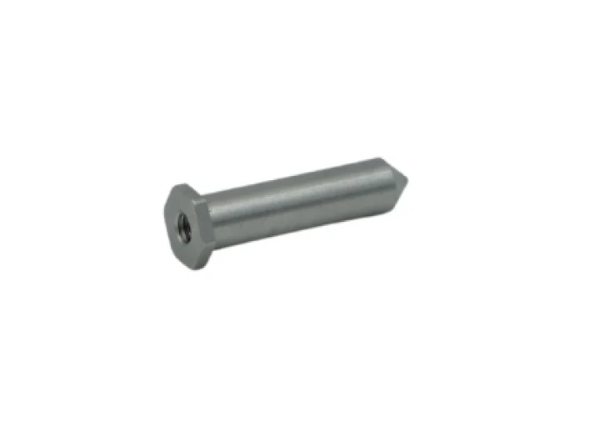
If you run press tools or moulds, the accuracy of each part depends on how the two halves of the tool meet on every stroke. Guide pins and their bushes control that meeting, and their performance depends on how closely each pin’s size, finish and hardness suit the bush and the tooling arrangement.
Correctly matched guide pins give toolmakers smooth, repeatable movement which protects part quality and keeps presses running at their planned speed. The match covers clearance, sliding behaviour, mounting style and, for many tools, a custom specification. Keep on reading to know more about how each of these choices shapes reliable tool movement.
Matching Pin and Bush Sets the Accuracy of Every Stroke
Pins and Bushes Work as a Pair: A pin and its bush form a single guiding system, so the diameter, tolerance and surface finish of one have to suit the other. If the pin suits the bush type, then the tool halves meet in the same position on every stroke. So, guide pins are best specified together with the bush and plate layout.
Early Matching Keeps Tooling Options Wide: The pin specification is easiest to settle while the die set or mould base is being designed. If it waits until the plates are bored, then the pin diameter and mounting style are largely fixed. In everyday toolroom practice, toolmakers often find that pins matched early to the bush settle quickly into steady running.
See also: Life’s Simple Lessons
Clearance and Sliding Movement Support Accuracy at Speed
Running Clearance and Alignment: A smaller running clearance between pin and bush holds the tool halves in closer alignment, which suits precise blanking and mould closing. The clearance also leaves room for a lubricant film, so the pin slides freely as the tool warms up. Bronze bushes with graphite inserts help keep the coefficient of friction low across long production runs.
Sliding Movement and Production Speed: Ball-bearing guide bushes suit high stroke rates, because rolling contact lets the pin move quickly with very little resistance. Plain sliding bushes carry heavier side loads and suit slower presses and large moulds. Take a case where a progressive die runs at high speed, and its pins will probably work best in ball-bearing bushes.
Hardened Surfaces Hold Size over Long Runs
Material and Hardness Choices: Pins for dies and moulds are usually made from case-hardened or through-hardened steel, which gives a hard sliding surface over a tough core. Stainless steel grades suit moulds for medical or food-contact parts where cleanliness matters. Hardness is chosen alongside the bush material, so both parts slide together smoothly in daily use.
Surface Finish and Lubrication Features: A finely ground or polished pin surface lowers sliding resistance and helps the lubricant film stay even. Oil grooves cut into the pin carry lubricant into the bush during each stroke. Many pins also have a chamfered or radiused lead-in, which guides them into the bush smoothly as the tool closes.
Press-Fit, Shoulder and Demountable Pins Suit Different Tools
Press-Fit Pins for Simple Die Sets: Press-fit pins are pressed directly into the die shoe or mould plate, which makes them the simplest and most economical option. They suit tools which are rarely taken apart. Removing them later takes a press and some care, so they fit best where the pin stays in place for the life of the tool.
Shoulder and Demountable Pins Compared: Shoulder pins seat against a counterbore, which gives positive axial location and holds the pin firmly against pull-out forces. Demountable pins are held by a clamp or screw, so they come out quickly when a die needs sharpening. If the tool is opened often, then the demountable style probably repays its higher initial cost.
Custom Pins Support Specialised Dies and Moulds
Production from a Drawing or Sample: Custom guide pins can be made from a detailed drawing, or from an existing sample when no drawing is available. With a sample, reverse engineering records the diameter, length, shoulder form and hardness, so the new pin matches the original bush and plate. This route suits older tools and imported dies which use non-standard sizes.
Long-Term Value from Matched Replacements: Replacement pins made to the original specification return a tool to its intended accuracy after each service. Hardened, ground surfaces hold their size through many production cycles, which helps the bushes last longer as well. Over the life of a die or mould, this consistency probably means steadier output and more predictable toolroom planning.
A Specification Checklist for Die and Mould Pins
What a Pin Order Should Include: A complete specification lists every dimension and property which affects how the pin fits, slides and stays in place. Once these details are confirmed, guide pins arrive ready to install and match the bushes already in the tool. The points below cover what toolmakers and buyers most often check before ordering.
- Pin diameter and tolerance should suit the bush type and running clearance.
- Pin length should let the pin enter its bush before the tool faces meet.
- Mounting style should reflect how often the tool is opened.
- Surface hardness and finish should suit the stroke rate and side load.
- Oil grooves and lead-in details should be shown clearly on the drawing.
Matched Pins Keep Every Tool Moving with Confidence
Well-matched pins give your tools smooth, accurate movement and help each press or moulding machine hold its planned output. Settling the specification now is simpler than adjusting bored plates later. Get in touch with a precision pin manufacturer today to share your drawing or sample for your next die or mould.
