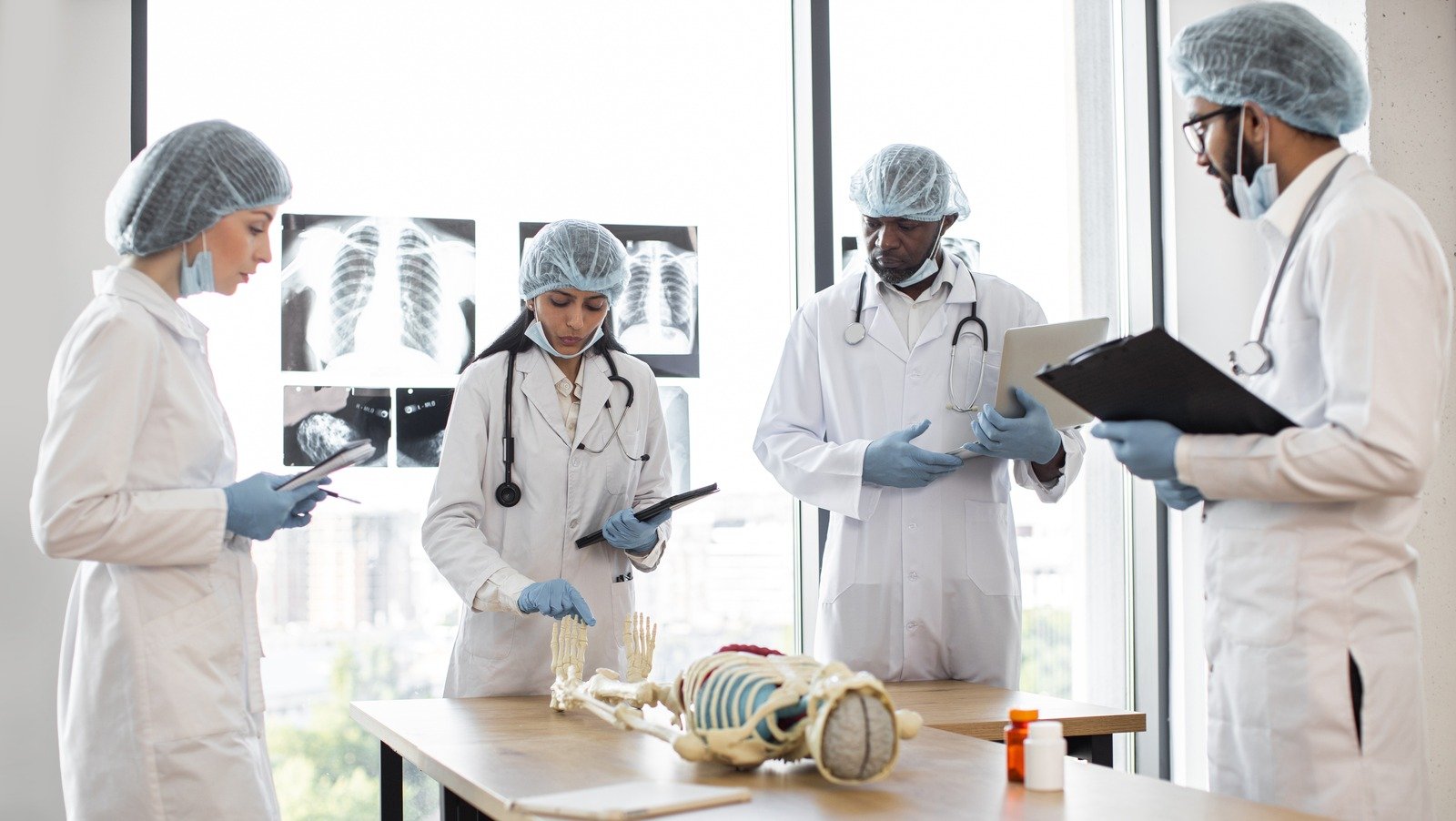
For many people, the desire to help others doesn’t end at death. Whole-body donation offers a way to support medical research, professional education, surgical training, and the development of medical technology that may improve care for future patients.
Although interest in body donation is growing, many people are unsure what it involves, how donated bodies are used, or what steps are required to register. Understanding the process can help you make the right decision for your family.
What Is Body Donation to Science?
Body donation to science is the voluntary gift of a person’s body after death for approved medical, scientific, educational, and training purposes.
Whole-body donations are typically utilized for:
- Medical education: Donors help physicians and other healthcare professionals develop a more detailed understanding of human anatomy and the relationships among muscles, nerves, organs, bones, and blood vessels.
- Surgical training: Surgeons and medical teams can practice procedures, refine techniques, and become familiar with new approaches before applying them in patient care.
- Clinical skills development: Donated bodies support training in procedures that require precision, anatomical knowledge, and experience with real human structures.
- Medical research: Researchers may study disease, injury, aging, anatomical variation, or physical changes associated with different medical conditions.
- Medical-device development: Engineers and healthcare professionals can evaluate implants, instruments, surgical tools, and other technologies designed for use in the human body.
- Procedure improvement: Medical teams may explore ways to make established procedures safer, less invasive, or more effective.
Each donation is used according to current medical and educational needs, and a single gift may contribute to more than one area of learning or advancement.
How Whole-Body Donation Benefits Society
The impact of a donated body can extend far beyond a single research project or training session. Knowledge gained through medical education and research may influence the care of many future patients.
The broader benefits can include:
- Better-prepared healthcare professionals
- Improved surgical techniques
- Safer medical devices
- Deeper understanding of human anatomy
- Medical breakthroughs in treating diseases
In this way, a body donation creates a lasting legacy. You gift can improve the quality of care and quality of life for future generations. Doctors and surgeons who train on human bodies can improve outcomes for thousands of patients over their careers. Past donations have led to significant breakthroughs in understanding and treating heart disease, various forms of cancer, Alzheimer’s, Parkinson’s, and more.
See also: How to Build a Scalable Business Model
How to Register as a Body Donor
Adults 18+ can register for body donation to science through United Tissue Network. Advanced age and most chronic medical conditions do not automatically prevent someone from becoming a donor. However, those with infectious diseases like hepatitis or HIV/AIDS are not accepted due to health risks for medical teams.
Once UTN approves and accepts a registered donor, placement in the program is guaranteed. Unlike other programs, a later change in medical condition or specific cause of death will not result in UTN withdrawing acceptance; UTN will continue to cover transportation and cremation associated with the donation.
The basic steps to register to become a whole-body donor include:
- Contact United Tissue Network or begin the registration process online.
- Review eligibility requirements and complete the necessary documentation.
- Tell your loved ones or the person responsible for final arrangements that registration has been completed.
- Keep UTN’s contact information in a location family members can easily access.
United Tissue Network donor coordinators are available 24 hours a day, seven days a week, to explain the process and answer questions. Planning ahead can reduce uncertainty for loved ones and help ensure the donor’s wishes are understood.
What Costs Does United Tissue Network Cover?
In addition to advancing medical science, whole-body donation offers significant financial relief during a difficult time. Traditional funeral services, burials, and end-of-life arrangements can cost thousands of dollars, creating an unexpected burden for surviving family members. choosing body donation through an accredited organization like United Tissue Network, families avoid many of these high out-of-pocket expenses.
United Tissue Network covers transportation of the deceased from the place of passing, placement with reputable medical research or education facilities, and cremation after studies have concluded. If requested, UTN also arranges for the return of the cremated remains. All of this is done at no cost to families.
For many, opting for body donation to science provides profound peace of mind, knowing their final wishes are fully pre-arranged and funded. This allows family members to focus on supporting one another and honoring their loved one’s memory without the added anxiety of managing costly funeral expenses. being.
Connect with one of UTN’s compassionate Donor Coordinators to get your questions answered. You can also start your registration online.
