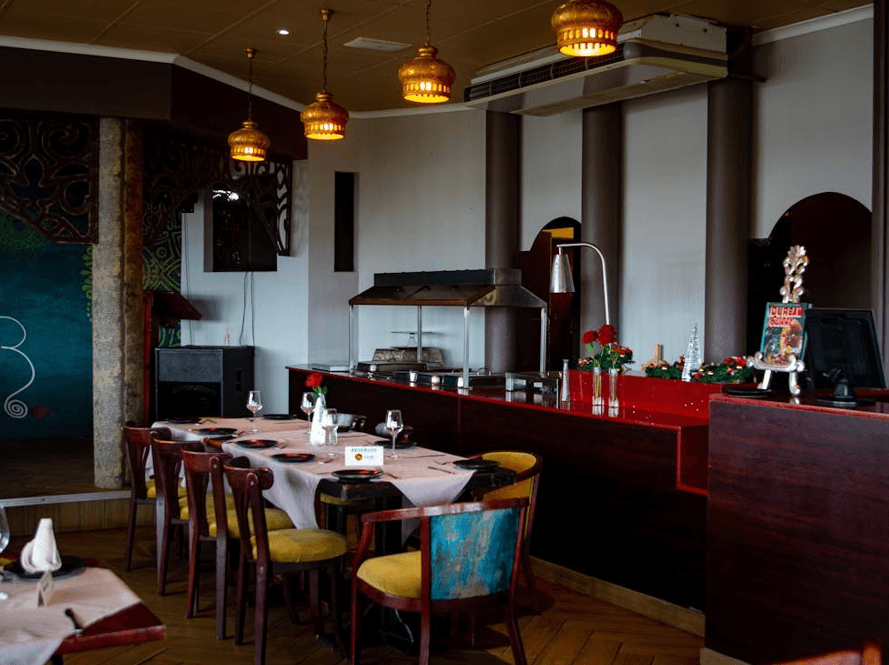
Restaurants and their businesses in British Columbia form one of the most dynamic and diverse parts of the province’s economy. From Vancouver’s waterfront fine‑dining rooms to small family cafés in interior towns and food trucks on Vancouver Island, the sector reflects BC’s natural bounty, cultural diversity, and entrepreneurial energy. For anyone interested in how restaurants operate here—or thinking of starting one—understanding the unique opportunities and challenges in British Columbia is essential.
British Columbia’s geography and culture shape its restaurant scene in powerful ways. The province stretches from the Pacific coastline to mountain ranges, fertile valleys, and resource‑based communities. This means restaurants serve very different markets depending on where they are based.
In major urban centres like Vancouver, Victoria, Surrey, Burnaby, Richmond, and Kelowna, the scene is competitive and trend‑driven. Customers expect high quality, variety, and modern dining experiences. In smaller towns and rural areas, restaurants often play the role of community hubs and rely more on regular local traffic and seasonal tourism.
A few characteristics stand out:
- Strong focus on fresh, local ingredients, especially seafood, produce, and wine.
- High cultural and culinary diversity, from East and South Asian cuisines to Mediterranean, Latin American, Indigenous‑inspired, and fusion concepts.
- Significant tourist demand in coastal, island, ski, and wine regions, which creates strong seasonal patterns for many restaurants.
These elements create both fertile ground for innovative concepts and intense pressure to execute consistently well.
Types of Restaurant Business Models in BC
When thinking about “restaurants and their businesses in British Columbia,” it helps to see the different business models that operate side by side.
Common models include:
- Full‑service restaurants: Sit‑down venues with table service, varied menus, and often alcohol service. These range from casual family spots to high‑end fine dining. They involve higher staffing levels and more complex operations.
- Fast‑casual and quick‑service: Counter‑service places, often with limited seating, that focus on speed and moderate price points. Many popular BC brands and franchises fit this model, especially in busy urban areas.
- Cafés and bistros: Coffee‑focused venues with pastries, light meals, and relaxed ambiance. These often rely on strong neighbourhood loyalty and daytime traffic.
- Pubs, bars, and lounges: Licensed establishments where food supports a beverage‑focused experience. In BC, craft beer, cider, spirits, and local wine play a major role.
- Food trucks and pop‑ups: Mobile or short‑term setups that allow lower‑cost entry and experimentation with concepts. Cities like Vancouver and Victoria have active street‑food and pop‑up cultures.
- Specialty and niche concepts: Vegan and plant‑based restaurants, farm‑to‑table
venues, regional ethnic cuisines, dessert bars, and chef‑driven tasting menus are all examples of niches that thrive in BC’s dining ecosystem.
Each model has its own cost structure, staffing needs, regulatory requirements, and risk profile. Choosing the right one depends on capital, experience, and the target market.
Market Drivers: Why Restaurants Thrive in BC
Restaurants in British Columbia benefit from several powerful demand drivers.
- Population growth and urbanization: Cities like Vancouver and Surrey continue to grow, bringing in young professionals, immigrants, and students who dine out frequently.
- Tourism: BC attracts visitors for its scenery, outdoor activities, wine regions, and city breaks. Tourists often spend heavily on dining, especially in downtown cores, resort areas, and wine country.
- Cultural diversity: Immigration has introduced a wide range of culinary traditions, and local diners are generally open to trying new cuisines. This supports both traditional ethnic restaurants and creative fusion concepts.
- Local food movement: Many BC residents value sustainability, seasonal ingredients, and supporting local producers. Restaurants that emphasize these values often find a receptive audience.
- Lifestyle and experience‑based spending: People increasingly see dining out as
an entertainment and social experience, not just food consumption. This supports concepts that offer ambience, storytelling, and memorable service.
These drivers make the province an exciting place to run a restaurant—but also raise the bar for quality and innovation.
Regulations, Licensing, and Compliance
Running a restaurant business in British Columbia involves navigating a range of rules and approvals at the provincial and municipal levels.
Key areas include:
- Business registration and zoning
- Owners must register their business and ensure the chosen location is zoned for food service. Municipalities control where restaurants can operate and under what conditions (parking, noise, hours, patios).
- Health and food safety
- Public health authorities require specific standards for kitchen layout, food handling, storage, cleanliness, pest control, and staff training. Regular inspections are routine, and non‑compliance can lead to warnings or closures.
- Building and fire codes
- Ventilation systems, exits, fire‑suppression over cooking equipment, occupancy limits, and accessibility standards all apply. Renovations often need permits and inspections.
- Liquor licensing
- Serving alcohol requires provincial licensing, and rules cover hours, service practices, minor access, and what kind of establishment you operate (restaurant primary vs liquor primary). Compliance here is crucial, as violations can be costly.
- Employment standards
- Restaurants must follow BC labour laws on minimum wage, overtime, tips and gratuities, scheduling, and workplace safety.
Understanding these requirements early helps avoid costly delays and rework. Many successful operators work closely with consultants, designers, and accountants who know local rules.
See also: Finding the Right Support for Addiction Recovery
Startup Costs and Financial Realities
Opening and running restaurants and their businesses in British Columbia usually requires significant upfront investment and careful financial management.
Typical startup and ongoing costs include:
- Leasehold improvements: Renovating the space, installing kitchen equipment, ventilation, plumbing, electrical, flooring, washrooms, bar areas, and decor. In cities like Vancouver, these costs can be substantial.
- Equipment and fixtures: Ovens, stoves, grills, refrigeration, dishwashers, prep tables, smallwares, POS systems, furniture, and lighting.
- Licensing, professional fees, and permits: Costs related to design, engineering, legal support, licensing applications, and inspections.
- Initial inventory: Food, beverages (including initial liquor stock if licensed), cleaning supplies, uniforms, and smallwares.
- Staffing and training: Recruiting and training chefs, cooks, servers, bartenders, dishwashers, and managers before opening generates costs before revenue starts.
- Working capital: Funds to cover the first few months of operations, including rent, wages, utilities, marketing, and supplies, while the restaurant builds its customer base.
On the revenue side, restaurant economics hinge on:
- Food and beverage sales: Menu pricing, portion control, and product mix (high‑margin items vs costlier dishes) shape profitability.
- Alcohol sales: Licensed restaurants can benefit from higher margins on drinks, especially wine, cocktails, and craft beverages.
- Seat turnover and occupancy: How often you can seat customers in a given service period, and how many tables are filled, heavily influences daily revenue.
Tight control over food cost percentage, labour cost percentage, and overhead is essential. Even popular restaurants can struggle if these ratios drift too high.
Menu Strategy and the “BC Identity”
One of the most powerful tools for restaurants in British Columbia is their menu. It is not just a list of dishes; it’s a statement of identity and a major business lever.
Effective menus in BC often:
- Highlight local ingredients: Seafood, seasonal produce, local meats, and BC wines or craft beverages can anchor a strong regional identity.
- Balance familiarity and innovation: Customers enjoy recognizable dishes with creative twists—classic favourites updated with local or global influences.
- Offer dietary flexibility: Vegan, vegetarian, gluten‑free, dairy‑free, and allergen‑conscious options are increasingly expected, especially in urban and health‑aware markets.
- Manage complexity: Too many items can strain the kitchen and raise waste. A focused menu with well‑tested, profitable dishes usually performs better.
- Reflect seasonality: Seasonal menus and specials allow the use of peak‑quality
ingredients and keep regulars excited to return.
Menu engineering—analyzing which dishes sell well and generate good margins, then promoting or adjusting them—is a core business skill for long‑term success.
Operations, Staffing, and Culture
The heartbeat of any restaurant is its day‑to‑day operations. In British Columbia, as elsewhere, success depends heavily on people and processes.
Core operational themes include:
- Staffing challenges: Many BC restaurants report persistent difficulty finding and retaining cooks, dishwashers, and experienced front‑of‑house staff: competitive wages, supportive management, and positive workplace culture matter.
- Training and standards: Consistent recipes, prep routines, service standards, and safety practices keep quality reliable, even as staff come and go.
- Scheduling and labour management: Balancing staff levels with demand is critical. Overstaffing eats into margins; understaffing harms service and burnout.
- Supplier relationships: Working closely with reliable suppliers helps secure quality ingredients, negotiate prices, and ensure continuity of supply—especially important for local and seasonal products.
- Culture and leadership: A respectful, professional environment in both the kitchen and dining room reduces turnover and improves guest experience. Leadership style and communication from owners and managers set the tone.
Restaurants with strong internal cultures often weather tough periods better, because their teams are more resilient and aligned.
Marketing, Branding, and Digital Presence
In a province where diners have many choices, marketing and branding are essential for restaurants and their businesses in British Columbia.
Important aspects include:
- Brand story and identity: A clear concept, name, logo, and design language that convey what makes the restaurant distinctive—whether it’s coastal seafood, modern Asian fusion, farm‑to‑table, or comfort food.
- Online visibility: Accurate, up‑to‑date information on maps and search, and a
simple website featuring menus, hours, contact info, and reservation links, help diners decide quickly.
- Social media: Platforms like Instagram, Facebook, and TikTok showcase dishes, behind‑the‑scenes moments, staff personalities, and special events. Strong visuals and authentic storytelling build a connection.
- Reviews and reputation: Encouraging satisfied guests to leave reviews and responding professionally to feedback can significantly influence new customer decisions.
- Community engagement: Participating in local festivals, farmers’ markets, charity events, and collaborations with breweries, wineries, and artists strengthens local roots and visibility.
- Delivery and takeout: Many BC restaurants leverage delivery apps and their own ordering systems to reach customers at home. Packaging quality and menu suitability for travel are important for this channel.
Restaurants that treat their brand as a living relationship with their community—not just a logo—tend to build more loyal followings.
Challenges Facing Restaurants in BC
Despite the opportunities, restaurant businesses across British Columbia face serious headwinds.
- High operating costs: Rent, utilities, and wages in cities like Vancouver and Victoria are among the highest in the country. This puts pressure on pricing and efficiency.
- Labour shortages: Recruiting and retaining skilled staff remains difficult, particularly in the back‑of‑house. This can limit growth and strain existing teams.
- Seasonality: Tourism‑heavy areas experience strong seasonal swings. Managing cash flow, staffing levels, and inventory across busy and slow periods is demanding.
- Competition: New concepts and openings constantly raise the bar. Restaurants must continually refresh offerings and experiences to stay relevant.
- Regulatory complexity: Navigating health rules, licensing, liquor regulations, and changing government policies requires time and attention.
- Changing consumer habits: Growth in delivery, health‑focused choices, and home
cooking during certain periods can alter demand patterns.
Successful operators confront these challenges by planning conservatively, staying flexible, building reserves, and continually seeking efficiencies without sacrificing quality.
Future Trends for Restaurants in British Columbia
Looking ahead, restaurants and their businesses in British Columbia are likely to keep evolving along several key trends:
- Sustainability and ethical sourcing: More emphasis on local, seasonal, low‑waste practices and transparent supply chains.
- Technology integration: Wider use of digital reservations, QR menus, contactless payments, kitchen display systems, and data analytics.
- Hybrid models: Restaurants combining dine‑in with grab‑and‑go, meal kits, catering,
and retail shelves of house‑made products.
- Inclusive and diverse offerings: More representation of under‑served cuisines, Indigenous‑inspired menus, and inclusive spaces that welcome varied dietary needs and identities.
- Experience‑driven concepts: Tasting menus, chef’s counters, themed nights, and collaborative events that turn dining into an experience rather than just a meal.
For entrepreneurs, British Columbia offers a rich, demanding environment for restaurant ventures. With thoughtful planning, clear positioning, disciplined operations, and genuine care for guests and staff, it is possible not only to survive but to build a restaurant that becomes part of the province’s vibrant culinary tapestry.
