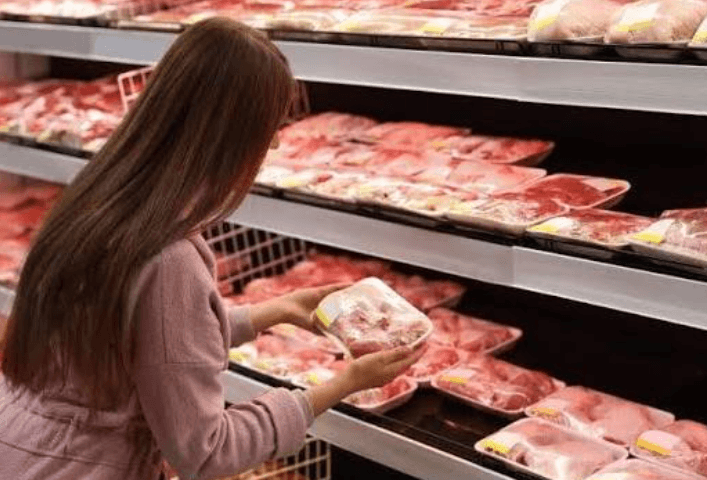
Beef is a versatile ingredient used in homes, restaurants, hotels, catering businesses, and food-service operations around the world. From slow-cooked stews to grilled steaks and stir-fried dishes, it can be prepared in many different ways. For busy kitchens, however, maintaining a dependable supply of high-quality meat requires careful attention to sourcing, storage, handling, and preparation.
For consumers and food businesses in Hong Kong, frozen beef can offer a practical way to maintain availability while supporting organized inventory management. When handled correctly, frozen meat can be stored for later use without requiring the same immediate preparation schedule as fresh products.
Understanding how frozen beef should be selected, stored, thawed, and prepared can help kitchens maintain both quality and food safety.
Why Frozen Beef Can Be a Practical Choice
Fresh meat is often associated with immediate use, but frozen products can provide several practical advantages. Freezing allows beef to be stored for longer periods, which can make meal planning and inventory management easier.
For restaurants and commercial kitchens, predictable availability can be particularly useful. Instead of purchasing meat every day, businesses can organize their supplies around expected demand and available freezer capacity.
Consumers can also benefit from the convenience. Properly frozen beef can be kept until it is needed for a particular recipe, helping reduce unnecessary food waste.
When purchasing frozen beef Hong Kong customers should consider product quality, packaging, storage conditions, and the intended cooking method.
Selecting the Right Cut
Different beef cuts are suited to different cooking techniques. Choosing the appropriate cut can have a major effect on the final dish.
Tender cuts may be suitable for quick cooking, grilling, or pan-searing. Other cuts contain more connective tissue and can work particularly well in slow-cooked recipes where extended cooking helps develop tenderness and flavor.
Before purchasing, consider what the beef will be used for. A restaurant preparing steaks will have different requirements from a household making soup or stew.
It is also useful to consider portion sizes. Buying products that match normal serving requirements can simplify preparation and reduce unnecessary waste.
Checking Packaging Quality
Packaging is an important part of frozen food quality. Before purchasing frozen beef, inspect the package for visible damage, tears, or signs that it may have been improperly handled.
The packaging should remain intact and appropriately sealed. Excessive ice accumulation can sometimes indicate temperature fluctuations, although the condition of the product should always be assessed together with storage and labeling information.
Consumers should also check the product information, including the type of cut, weight, storage instructions, and relevant dates.
For businesses, receiving procedures can be standardized so staff inspect frozen products before placing them into storage.
Maintaining the Cold Chain
The cold chain refers to keeping frozen food at appropriate temperatures throughout transportation, storage, and handling.
Maintaining a consistent frozen environment is important because repeated temperature changes can affect food quality. Once frozen beef has been delivered to a home, restaurant, or other facility, it should be transferred to suitable freezer storage as soon as practical.
Commercial kitchens can benefit from organized freezer management. Products should be labeled clearly, and staff should know where different categories of meat are stored.
A first-in, first-out approach can also help businesses manage inventory efficiently by encouraging older suitable stock to be used before newer products.
Proper Freezer Organization
A crowded freezer can make it difficult to identify products and may interfere with efficient inventory management.
Packages should be arranged so that staff can easily locate the required products. Labels can include the product type, quantity, and storage date when appropriate.
Keeping raw meat separate from ready-to-eat foods is another important consideration. Proper organization can reduce the risk of cross-contamination and make daily kitchen operations easier.
Restaurants with larger inventories may benefit from maintaining a simple digital or written stock list.
Safe Thawing Methods
Thawing is one of the most important stages of frozen meat preparation.
A controlled refrigerator thaw is generally a practical method because it keeps the meat at a cold temperature while allowing it to gradually defrost. Depending on the size of the product, this process can require advance planning.
For faster preparation, other approved food-safety methods may be appropriate depending on the circumstances. The important principle is to avoid leaving raw meat in unsuitable temperature conditions for extended periods.
Once beef has been thawed, it should be handled promptly and according to appropriate food-safety practices.
Preventing Cross-Contamination
Raw beef should be kept separate from foods that will be eaten without further cooking.
Use clean preparation surfaces and appropriate utensils, and wash hands before and after handling raw meat. Cutting boards and knives used for raw beef should be cleaned thoroughly before being used for other foods.
In commercial kitchens, separate preparation areas can make food-safety procedures easier to manage.
These simple habits can significantly improve kitchen hygiene and reduce the possibility of transferring unwanted microorganisms between foods.
Choosing a Cooking Method
The best cooking method depends largely on the cut of beef.
Tender cuts can often be prepared quickly at high heat. Tougher cuts may benefit from slower cooking methods that allow connective tissue to break down gradually.
Stewing, braising, roasting, grilling, pan-searing, and stir-frying can all produce excellent results when matched with the appropriate cut.
Seasoning also plays an important role. Some dishes require only simple seasoning, while others may use marinades, sauces, herbs, or spices to create a more complex flavor profile.
Quality Beyond Appearance
Appearance can provide useful information, but it should not be the only consideration when evaluating beef.
Consumers should also consider packaging, labeling, storage conditions, product specifications, and the reputation of the supplier. For restaurants, consistency between deliveries can be particularly important because menu quality depends on reliable ingredients.
A good purchasing process considers the entire supply chain rather than focusing on one visual characteristic.
Managing Beef in Commercial Kitchens
Restaurants and catering businesses often need a more structured approach to frozen meat management.
A useful system can include:
- Regular freezer temperature checks
- Clear product labeling
- Organized inventory
- Separate storage for raw and ready-to-eat foods
- Defined thawing procedures
- Staff food-safety training
- Regular stock rotation
These procedures do not have to be complicated. Even simple checklists can help ensure that important steps are not overlooked during busy service periods.
Reducing Food Waste
Good inventory management can help reduce unnecessary food waste.
Purchasing quantities based on realistic demand prevents businesses from holding excessive stock. Portion planning can also help restaurants use products efficiently.
At home, consumers can plan meals before thawing larger quantities of meat. Dividing appropriate portions before freezing can make future preparation easier and reduce the temptation to thaw more than is needed.
Freezer organization and clear labeling can further improve this process.
See also: How Mobile-First Indexing is Reshaping Dental Website Performance
FAQs
1. Is frozen beef suitable for everyday cooking?
Yes. Properly handled frozen beef can be used for many everyday recipes, including stews, stir-fries, roasts, grilled dishes, and soups.
2. What should I check when buying frozen beef?
Check the packaging condition, product information, storage requirements, weight, cut, and relevant dates. The product should also have been maintained under appropriate frozen conditions.
3. What is a good way to thaw frozen beef?
Thawing in a refrigerator is a practical controlled method. The appropriate approach can depend on the size and type of product, so food-safety guidance and product instructions should be followed.
Conclusion
Choosing and managing beef properly involves more than selecting a product from a freezer. Cut selection, packaging, cold-chain management, storage, thawing, hygiene, and cooking methods all contribute to the final result.
For households and professional kitchens in Hong Kong, a well-organized approach to frozen beef can make meal preparation more convenient while supporting better inventory control and food-safety practices. With suitable storage and careful handling, frozen meat can be a practical part of a reliable kitchen routine.
