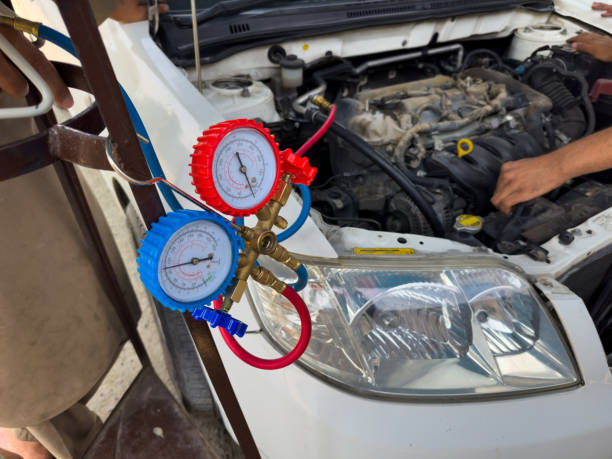
Modern vehicles are designed to provide comfort, safety, and convenience regardless of external weather conditions. One of the most important systems responsible for cabin comfort is the automotive air conditioning system. Whether driving through the intense summer heat of Western Australia or navigating humid coastal roads in Queensland, a reliable air conditioning system helps maintain a pleasant driving experience.
As vehicle technology continues to evolve, air conditioning systems have become more sophisticated, energy-efficient, and environmentally friendly. Understanding how these systems work, their key components, and the importance of regular maintenance can help vehicle owners maximise performance and avoid costly repairs.
Understanding Automotive Air Conditioning Systems
An automotive air conditioning system is designed to remove heat and humidity from the vehicle cabin while circulating cool, filtered air throughout the interior. Unlike household air conditioning units, vehicle systems must operate efficiently within a compact space while handling constant vibration, varying engine speeds, and changing environmental conditions.
The system works by circulating refrigerant through a closed loop that absorbs heat from inside the cabin and releases it outside. This process creates cooler air, improves passenger comfort, and helps reduce driver fatigue during long journeys.
In modern vehicles, air conditioning systems are often integrated with climate control technology, allowing drivers to maintain precise temperature settings automatically.
How Automotive Air Conditioning Works
The cooling process relies on several interconnected components working together. Refrigerant flows through the system and changes between liquid and gas states to transfer heat effectively.
The basic cycle involves:
- Compressing refrigerant into a high-pressure gas
- Releasing heat through the condenser
- Converting refrigerant into a liquid state
- Expanding refrigerant through an expansion valve
- Absorbing cabin heat in the evaporator
- Returning refrigerant to the compressor to repeat the cycle
This continuous process allows the system to maintain a comfortable cabin temperature even during extreme weather conditions.
Essential Car AC Parts and Their Functions
Every air conditioning system relies on multiple car ac parts working together to deliver reliable cooling performance.
Compressor
Often referred to as the heart of the system, the compressor pressurises refrigerant and circulates it through the entire air conditioning circuit.
Condenser
Located near the front of the vehicle, the condenser releases heat absorbed from the cabin and converts refrigerant from gas into liquid form.
See also: Smart Home Technology Explained
Evaporator
The evaporator absorbs heat from cabin air and produces the cool airflow passengers experience through the vents.
Expansion Valve
This component controls refrigerant flow and pressure before it enters the evaporator.
Receiver-Drier
The receiver-drier removes moisture and contaminants that could damage sensitive system components.
When all these parts function correctly, the system can provide efficient cooling and maintain comfortable cabin conditions.
The Role of Auto AC Components in System Efficiency
Modern vehicles feature advanced auto ac components designed to improve cooling performance while reducing energy consumption.
Manufacturers continuously refine these components to:
- Increase cooling efficiency
- Reduce compressor workload
- Lower fuel consumption
- Minimise refrigerant leakage
- Improve environmental sustainability
Many new vehicles now use variable displacement compressors and electronically controlled climate systems that automatically adjust cooling output based on cabin conditions.
These innovations help deliver superior comfort while maintaining vehicle efficiency and reducing emissions.
Common Signs of Air Conditioning Problems
Even the most advanced systems can develop faults over time. Recognising early warning signs can prevent expensive repairs and prolonged discomfort.
Common symptoms include:
Weak Airflow
Reduced airflow often indicates blocked cabin filters, blower motor issues, or duct obstructions.
Warm Air from Vents
Warm air may result from low refrigerant levels, compressor failure, or electrical problems.
Unusual Noises
Grinding, squealing, or rattling sounds can indicate worn bearings, loose components, or compressor issues.
Unpleasant Odours
Mould and bacteria can accumulate within the evaporator, creating unpleasant smells when the system operates.
Refrigerant Leaks
Visible leaks or rapidly declining cooling performance often suggest refrigerant loss requiring immediate attention.
Prompt diagnosis helps prevent further damage and ensures the system continues operating efficiently.

Why Regular Maintenance Matters
Routine maintenance is essential for preserving the performance and lifespan of automotive air conditioning systems.
Regular servicing offers several benefits:
- Improved cooling efficiency
- Reduced risk of major failures
- Better fuel economy
- Enhanced cabin air quality
- Longer component lifespan
- Lower repair costs
Professional inspections typically include refrigerant level checks, leak detection, filter replacement, pressure testing, and component evaluation.
Most automotive experts recommend servicing the air conditioning system every one to two years depending on usage and climate conditions.
The Importance of Quality Vehicle AC Parts
When repairs become necessary, using high-quality vehicle ac parts is critical for maintaining long-term reliability.
Premium replacement components offer:
- Better durability
- Improved cooling performance
- Enhanced compatibility
- Reduced risk of premature failure
- Greater manufacturer support
While low-cost alternatives may appear attractive initially, inferior parts often lead to recurring issues and increased maintenance expenses over time.
Selecting reputable suppliers and experienced technicians helps ensure repairs meet manufacturer standards and deliver dependable performance.
Environmental Considerations in Modern Air Conditioning Systems
Environmental responsibility has become a major focus within the automotive industry.
Older air conditioning systems often used refrigerants that contributed to ozone depletion and global warming. Today, manufacturers increasingly utilise environmentally friendly refrigerants with lower environmental impact.
Modern systems are designed to:
- Reduce refrigerant leakage
- Improve energy efficiency
- Lower greenhouse gas emissions
- Support sustainability initiatives
These advancements allow vehicle owners to enjoy comfortable cabin temperatures while minimising environmental impact.
Aircon Parts Car Owners Should Monitor
Certain aircon parts car owners rely on are more susceptible to wear and should be inspected regularly.
Cabin Air Filters
Dirty filters restrict airflow and reduce cooling performance.
Compressor Belts
Worn belts can affect compressor operation and overall system efficiency.
Hoses and Seals
Rubber components naturally deteriorate over time and may develop leaks.
Electrical Connections
Modern climate control systems depend on numerous sensors and electrical connections that require periodic inspection.
Cooling Fans
Condenser cooling fans help regulate refrigerant temperatures and maintain system effectiveness.
Monitoring these components helps identify potential issues before they become serious problems.
The Impact of Climate on Air Conditioning Performance
Australia’s diverse climate places unique demands on vehicle air conditioning systems.
Hot Inland Regions
Extreme temperatures increase system workload and accelerate component wear.
Coastal Areas
High humidity levels require efficient moisture removal to maintain comfort.
Dusty Conditions
Dust accumulation can clog filters, condensers, and evaporators, reducing system effectiveness.
Seasonal Variations
Even during cooler months, occasional operation helps lubricate internal components and prevent seal deterioration.
Understanding local environmental conditions helps vehicle owners adopt appropriate maintenance practices.
Choosing Professional Air Conditioning Services
Professional servicing provides expertise and specialised equipment that cannot be replicated through basic DIY maintenance.
Qualified technicians can:
- Perform refrigerant recovery and recharge procedures
- Conduct advanced leak detection
- Test electronic climate control systems
- Evaluate compressor performance
- Inspect internal system components
Professional maintenance ensures compliance with environmental regulations while protecting system integrity.
Future Trends in Automotive Air Conditioning
Vehicle air conditioning technology continues evolving rapidly alongside advances in electrification and smart vehicle systems.
Emerging innovations include:
- Heat pump technology for electric vehicles
- Smart climate management systems
- Improved energy-efficient compressors
- Advanced cabin air purification
- AI-assisted temperature control
- Sustainable refrigerant solutions
These developments will continue improving comfort, efficiency, and environmental performance across the automotive sector.
Driving Comfort Forward: The Future of Advanced Climate Control
A properly maintained automotive air conditioning system is essential for comfort, safety, and overall driving satisfaction. From understanding system operation to investing in quality maintenance and replacement components, vehicle owners can significantly extend system lifespan and improve performance. As technology continues advancing, modern air conditioning systems are becoming more efficient, environmentally responsible, and capable of delivering exceptional comfort in every driving condition. Whether travelling across urban centres or remote Australian landscapes, a reliable climate control system remains one of the most valuable features any vehicle can offer.
