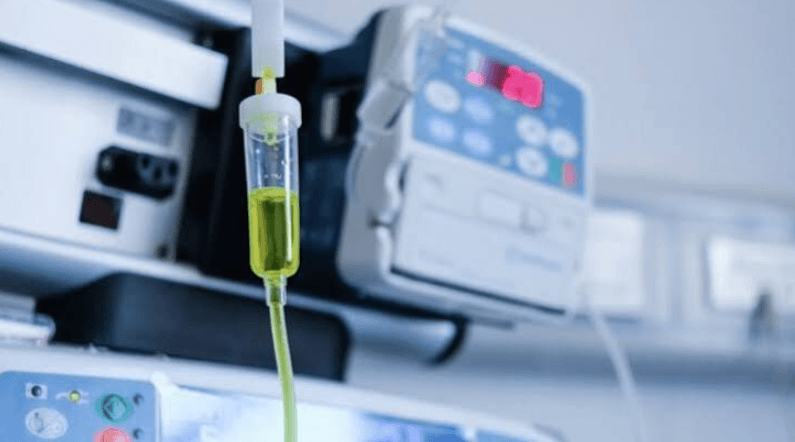
When staff encounter a drip chamber full situation despite best prevention efforts, understanding appropriate correction techniques helps resolve the issue efficiently without unnecessarily disrupting patient care or requiring complete tubing replacement. This overview covers general approaches to addressing this common practical challenge.
Assessing Whether Correction or Replacement Is Needed
Before attempting correction, staff should assess the overall situation, including how significantly overfilled the chamber is and whether any other issues, such as suspected contamination during the priming process, might warrant simply starting over with a fresh set rather than attempting correction.
General Approach to Reducing Chamber Fluid Level
Common correction approaches involve techniques like temporarily inverting the fluid bag to reduce the pressure differential driving fluid into the chamber, potentially combined with gently manipulating the chamber to encourage some fluid to drain back toward the bag, though specific technique should follow facility protocol and manufacturer guidance for the specific set in use.
Avoiding Introduction of Air During Correction
Whatever specific correction technique is used, staff need to remain mindful of avoiding introducing air into the tubing pathway during the correction process, since solving an overfilled chamber issue while inadvertently introducing air bubbles would simply trade one problem for another.
When to Consider Starting Fresh With a New Set
If correction attempts aren’t successful, or if there’s any concern about compromised sterility during extended manipulation attempts, replacing the entire set and repeating the priming process carefully represents the safer, more straightforward path forward rather than persisting with correction attempts.
Documenting the Issue and Resolution
Following facility protocol for documenting any equipment issues encountered during setup, including drip chamber overfilling and the correction approach used, supports both quality improvement tracking and appropriate handoff communication if care transitions to another staff member.
See also: Smart Home Technology Explained
Learning From the Experience for Future Prevention
Reflecting on what specifically contributed to the overfilling situation in a given instance helps staff refine their priming technique going forward, supporting continuous improvement in avoiding this issue during future IV setups.
Reviewing Correction Approaches in Detail
For additional guidance on appropriate correction techniques for this common situation, reviewing information on drip chamber full correction approaches helps support confident, appropriate troubleshooting during clinical practice.
Frequently Asked Questions
Should staff always attempt to correct an overfilled chamber rather than replacing the set? Not necessarily; staff should assess the situation, including how significantly overfilled the chamber is and any sterility concerns, and consider whether starting fresh with a new set is the safer, more appropriate path.
What is an important consideration to keep in mind during any chamber correction attempt? Staff need to remain mindful of avoiding introducing air into the tubing pathway during correction, since solving overfilling while introducing air bubbles would simply create a different problem.
Why is documenting drip chamber issues important? Documentation supports quality improvement tracking and appropriate handoff communication if patient care transitions to another staff member during or after the correction process.
Final Thoughts
Understanding appropriate approaches for correcting an overfilled drip chamber, including knowing when replacement rather than correction is the better choice, supports efficient, safe troubleshooting during clinical practice. Learning from each experience helps staff continue refining their technique to prevent this common issue going forward.
