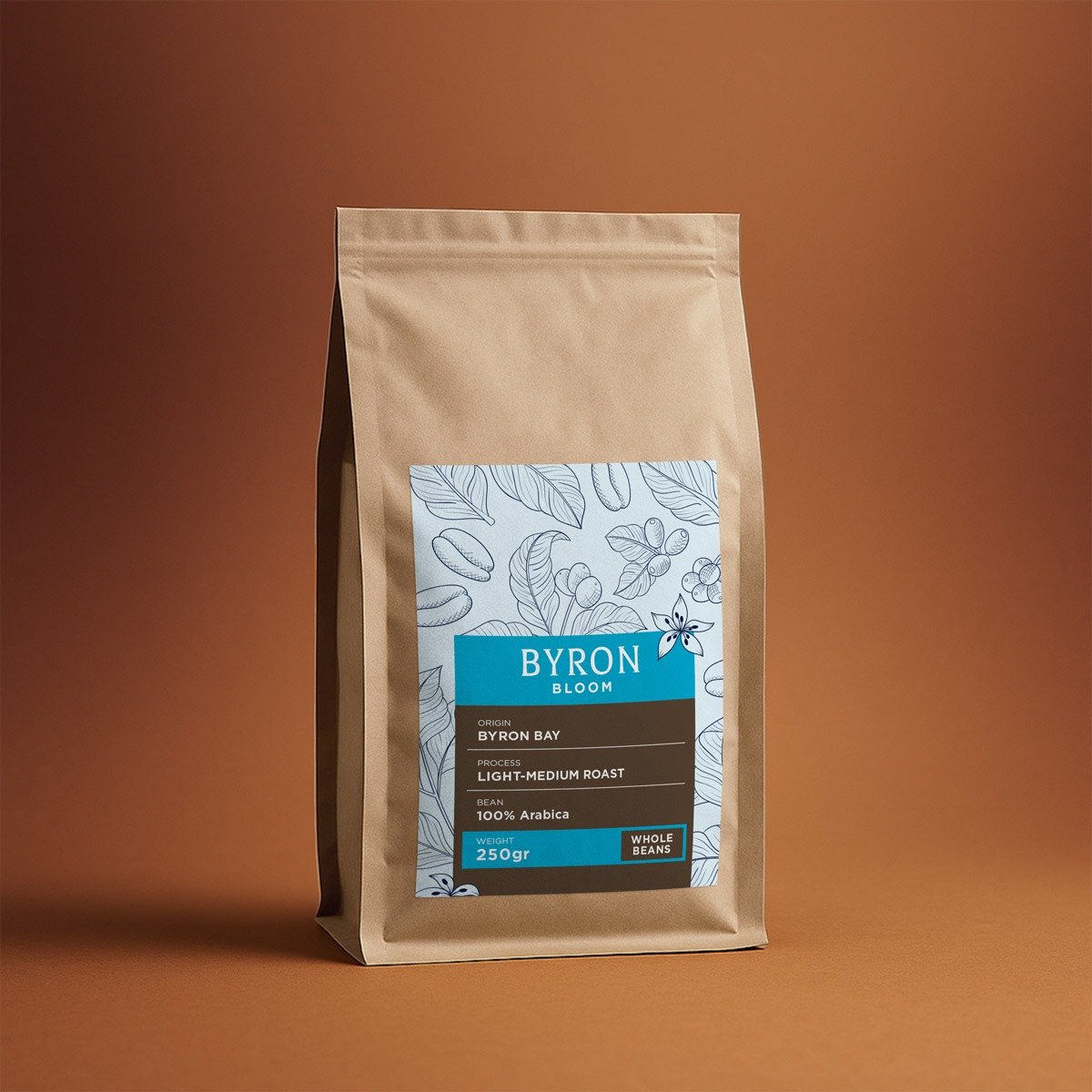
Small brands get judged on the shelf next to companies with marketing departments and budgets to match. That comparison happens in about two seconds, and custom sticker labels are usually the only thing standing between a lovely product and packaging that looks like a hobby project.
Looking polished does not require a complicated setup. Custom sticker labels let a small operation put a proper finish on jars, pouches and boxes without changing anything about how the product gets made. Upload the artwork, pick the size, order what you need. The product stays the same. The impression it makes does not.
Looking Homemade When You Are Not
The Gap Between Good Product and Rough Packaging: Customers judge quality from packaging long before they taste or try anything, which puts handmade looking labels at a disadvantage. A sauce made properly still reads as amateur if the label sits crooked on a jar with a printer line through it. The product deserves better than that first impression.
Why Printing Them Yourself Rarely Works: Home printed labels fail on two fronts, which are durability and consistency. In everyday production work, printers routinely see small brands arrive after a season of desktop printing, usually because the ink ran in a fridge or the colours shifted between batches. Those small failures cost more attention than the saving was worth.
What Waiting Another Six Months Costs: Putting the upgrade off keeps your packaging as the weakest part of an otherwise decent offer. Stockists notice presentation before they notice anything else, and a buyer deciding between two local products will lean toward the one that looks shelf ready. Opportunities quietly pass rather than being refused outright.
Pulling the Look Together Without a Design Degree
A Logo That Works Small and Simple: Logos need to stay readable at the size they actually get printed, which on a jar is rarely more than a few centimetres. Fine detail disappears, thin lines vanish, and clever effects turn to mush. Simple shapes and clear type survive the shrink, so test everything at real size.
Colours That Stay the Same Every Time: Consistency across a product range depends on fixing your colours once and reusing those exact values. Picking a slightly different blue each time makes a shelf look accidental rather than curated. Strong brand consistency comes from boring discipline more than clever design, which is good news for anyone without a designer.
Information Laid Out So People Can Find It: Product details need a clear hierarchy, with the product name largest, the variety next, and the required information grouped somewhere sensible. Cramming everything at the same size forces shoppers to work, and most will not bother. Visual hierarchy does the explaining so your customer does not have to squint.
One Identity That Stretches as You Grow
Same Look, Different Sizes: Label identity should scale across container sizes without being redesigned each time. Keep the layout proportions, the colour block and the typeface consistent, then adjust the dimensions to suit each jar or bottle. A 250ml and a 500ml version should look like siblings rather than distant cousins.
Room for New Varieties Later: Planning for growth means leaving space in your design for flavours and products that do not exist yet. A colour band or a panel that changes per variety lets you add a line without rebuilding anything. Businesses that skip this end up redesigning the whole range at the worst possible moment.
See also: How to Build a Scalable Business Model
Short Runs or Bulk, and the Honest Trade-Off
Why Smaller Quantities Suit New Ranges: Ordering modest quantities gives a growing business room to adjust before committing properly. Recipes change, weights get tweaked, and a detail you were certain about looks wrong once it reaches a shelf. Small runs cost more per unit, though far less than a cupboard of unusable stock.
When Bigger Orders Start Paying Off: Larger quantities bring the per label price down, which makes sense once your range has settled and sales are steady. The trade off is flexibility, since a thousand spare labels do not survive a recipe change. Established lines benefit from bulk, newer products usually do not.
Worth Sorting Before the First Order Goes In
The Checks That Save a Second Print Run: Most label regrets trace back to a detail nobody confirmed before approving artwork. Ordering custom sticker labels that work properly comes down to a handful of decisions made early. Worth ten minutes now instead of a box of near enough labels sitting in the back room.
- Measure the actual container rather than trusting a product listing.
- Test your logo printed at real size before approving the design.
- Lock your colour values and reuse them across every product.
- Match the material to storage conditions such as refrigeration or moisture.
- Order quantities that match how settled your product range really is.
Packaging That Finally Matches the Product Inside
Good packaging stops being a worry once the look is sorted, and custom sticker labels handle that quietly in the background. Leaving it another season keeps the presentation gap open while competitors close theirs. Measure your containers, prepare your artwork, and order a short run to see how it lands.
