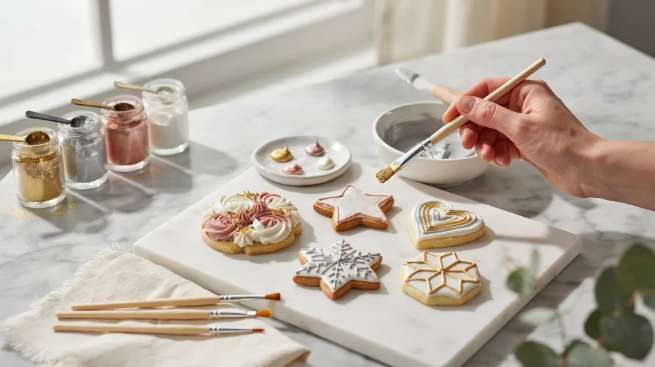
Decorating cakes, cookies, cupcakes, and other desserts has become more creative than ever. Sparkling finishes, shimmering colors, and dazzling effects can instantly transform an ordinary dessert into a masterpiece. However, many people don’t realize that not all glitter used on baked goods is actually safe to eat. Understanding the difference between edible glitter and non-edible glitter is essential for both home bakers and professional cake decorators.
Whether you’re preparing desserts for birthdays, weddings, holidays, or special events, choosing the right decorative products protects your guests while delivering beautiful results. From luster dust to sparkling sugar crystals, food-safe decorations come in many forms. In this guide, we’ll explain the differences between edible glitter and non-edible glitter, how to identify safe products, and why premium edible luster dust makes a significant difference in professional cake decorating.
Why Glitter Is So Popular in Cake Decorating
Modern desserts are designed to impress. Social media platforms have inspired bakers to create cakes that sparkle, shine, and stand out from the crowd.
Popular uses include:
- Wedding cakes
- Birthday cakes
- Cupcakes
- Macarons
- Cookies
- Chocolate-covered strawberries
- Cake pops
- Fondant decorations
- Holiday desserts
Adding shimmer creates an elegant, luxurious appearance that photographs beautifully while making desserts feel extra special.
See also: Life’s Simple Lessons
What Is Edible Glitter?
Edible glitter is a decorative food product specifically manufactured using ingredients approved for human consumption. Unlike craft glitter, edible glitter is made with food-grade ingredients that are safe to eat.
It is commonly used to:
- Add sparkle to cakes.
- Decorate cookies
- Enhance chocolates
- Highlight fondant flowers
- Create shimmering drinks
- Finish candies
High-quality edible glitter comes in many colors, particle sizes, and finishes, allowing decorators to achieve subtle elegance or dramatic sparkle.
What Is Edible Luster Dust?
Among professional decorators, edible luster dust is one of the most versatile decorating products available.
Luster dust is an ultra-fine edible powder that creates:
- Metallic shine
- Pearlescent finishes
- Satin effects
- Soft shimmer
- Vibrant color enhancement
Unlike chunky glitter, luster dust produces a smooth, polished finish that looks refined and elegant.
It can be applied:
- Dry with a soft brush.
- Mixed with clear alcohol
- Mixed with lemon extract
- Airbrushed after mixing
- Painted onto fondant
Professional cake artists often use edible luster dust because it provides greater control and a more sophisticated appearance.
What Is Non-Edible Glitter?
Non-edible glitter is designed for crafts, floral arrangements, or decorative cake accessories that are removed before serving.
It is not intended for consumption.
Non-edible glitter may contain:
- Plastic
- Polyester
- Metallic pigments
- Synthetic dyes
- Industrial materials
Although it may look attractive, these products should never be placed directly onto food that will be eaten.
Some decorative cake toppers use non-edible glitter because they remain separate from the edible portions of the cake.
Edible Glitter vs Non-Edible Glitter
| Feature | Edible Glitter | Non-Edible Glitter |
| Safe to eat | Yes | No |
| Food-grade ingredients | Yes | No |
| FDA-compliant ingredients | Yes | No |
| Direct food contact | Yes | Not recommended |
| Common use | Cakes, cookies, desserts | Crafts and decorations |
| Dissolves in mouth | Usually yes | No |
| Suitable for children | Yes (when food-safe) | No |
Understanding this distinction helps prevent accidental use of unsafe decorating products.
How to Identify Edible Glitter
Reading product labels carefully is the easiest way to determine whether glitter is edible.
Look for phrases such as:
- Edible
- Food-grade
- Safe for consumption
- FDA-compliant ingredients
- Ingredients listed on the label
Avoid products labeled:
- Non-toxic
- Decorative only
- For decoration purposes
- Remove before serving
- Not intended for consumption
The phrase “non-toxic” often causes confusion. Non-toxic simply means the product is unlikely to cause poisoning if accidentally ingested in tiny amounts—it does not mean it is edible.
Why Choosing Food-Safe Decorations Matters
Food safety should always come before appearance.
Using edible decorating products helps:
- Protect guests
- Meet food safety standards.
- Avoid contamination
- Maintain professional quality
- Build customer trust
For bakeries and cake businesses, using certified edible decorations demonstrates professionalism and attention to detail.
Benefits of Using High-Quality Luster Dust
Professional decorators often prefer premium luster dust because of its versatility and finish.
Some advantages include:
Smooth Finish
Unlike coarse glitter, edible luster dust creates a refined shimmer without a rough texture.
Better Color Control
Small amounts produce subtle highlights, while additional layers create bold metallic effects.
Easy Application
Luster dust works well with:
- Fondant
- Gum paste
- Modeling chocolate
- Royal icing
- Buttercream
- White chocolate
Professional Results
Luxury cake designs often rely on edible luster dust to achieve elegant finishes that photograph beautifully.
When Should You Use Edible Glitter?
Edible glitter works best when you want obvious sparkle.
Examples include:
- Fairy-themed cakes
- Princess cupcakes
- Celebration cookies
- Holiday desserts
- Birthday cakes
- Candy apples
- Chocolate bark
Its reflective particles create dramatic visual effects that instantly attract attention.
When Is Luster Dust the Better Choice?
If you’re looking for elegance instead of bold sparkle, edible luster dust is usually the better option.
Ideal applications include:
- Wedding cakes
- Gold accents
- Silver decorations
- Sugar flowers
- Fondant ribbons
- Luxury pastries
- Macarons
- Chocolate decorations
The finish is smooth, sophisticated, and professional.
Common Mistakes Bakers Make
Even experienced decorators sometimes misuse glitter products.
Assuming “Non-Toxic” Means Edible
This is one of the biggest misconceptions in cake decorating.
Always verify that products specifically state they are edible.
Buying Craft Glitter
Craft glitter belongs in art projects—not desserts.
Never substitute craft glitter for food-grade decorating products.
Ignoring Ingredient Labels
A quick label check can prevent food safety issues.
Always review ingredients before purchasing.
Using Decorative Glitter Directly on Cakes
Some decorative glitters are intended only for cake toppers or removable decorations.
Avoid placing them directly onto edible surfaces.
Tips for Applying Edible Glitter
To achieve beautiful results:
- Apply over slightly tacky icing.
- Use a clean decorating brush.
- Build sparkle gradually.
- Combine different colors for depth.
- Work under bright lighting.
- Store glitter in airtight containers.
- Keep brushes dedicated to food use.
Small details often make the biggest difference in the final presentation.
Why Professional Bakers Prefer Premium Decorating Products
Professional decorators know that consistent quality leads to better results.
Premium decorating supplies typically offer:
- Rich pigmentation
- Uniform particle size
- Better adhesion
- More vibrant shine
- Reliable food safety
- Long shelf life
Using trusted products also reduces waste since less product is needed to achieve impressive effects.
Choosing Reliable Edible Glitter and Luster Dust
Not all decorating products deliver the same performance. Purchasing from reputable suppliers helps ensure consistent quality, vibrant color, and food-safe ingredients.
A specialized supplier like Luster Dust offers a wide selection of edible decorating products designed for home bakers, cake artists, and commercial bakeries. Their collection includes edible glitter, edible luster dust, metallic finishes, and decorative colors that help create professional-quality desserts while maintaining food safety standards.
Whether you’re decorating a single birthday cake or producing desserts for clients, choosing premium decorating products can significantly improve both appearance and reliability.
Frequently Asked Questions
1. Is edible glitter actually safe to eat?
Yes. Edible glitter is made using food-grade ingredients that are approved for consumption when used according to the manufacturer’s instructions.
2. Can I use craft glitter on cakes?
No. Craft glitter is not designed for food use and should never be placed directly on edible items.
3. What is the difference between edible glitter and edible luster dust?
Edible glitter creates visible sparkles, while edible luster dust produces a smooth, pearlescent, or metallic finish with a finer texture.
4. How can I tell if glitter is edible?
Check the label carefully. It should clearly state that the product is edible or food-grade and include an ingredient list.
5. Can edible luster dust be mixed with liquid?
Yes. Many decorators mix edible luster dust with clear alcohol or lemon extract to create edible paint for cakes and fondant.
6. Why do professional cake decorators use premium luster dust?
Premium products provide richer colors, smoother application, consistent shimmer, and reliable food safety, helping decorators achieve high-end, professional results every time.
Conclusion
Understanding the difference between edible glitter and non-edible glitter is essential for creating desserts that are both beautiful and safe to enjoy. While non-edible glitter may look similar, it should never come into direct contact with food that will be consumed.
For stunning finishes that combine elegance with food safety, luster dust, edible glitter, and premium edible luster dust remain the preferred choices of professional decorators worldwide. Investing in high-quality decorating supplies allows you to create eye-catching cakes, cookies, chocolates, and pastries with confidence.
The next time you’re planning a celebration dessert, choose food-grade decorating products from a trusted supplier so every sparkling detail is as safe as it is beautiful.
