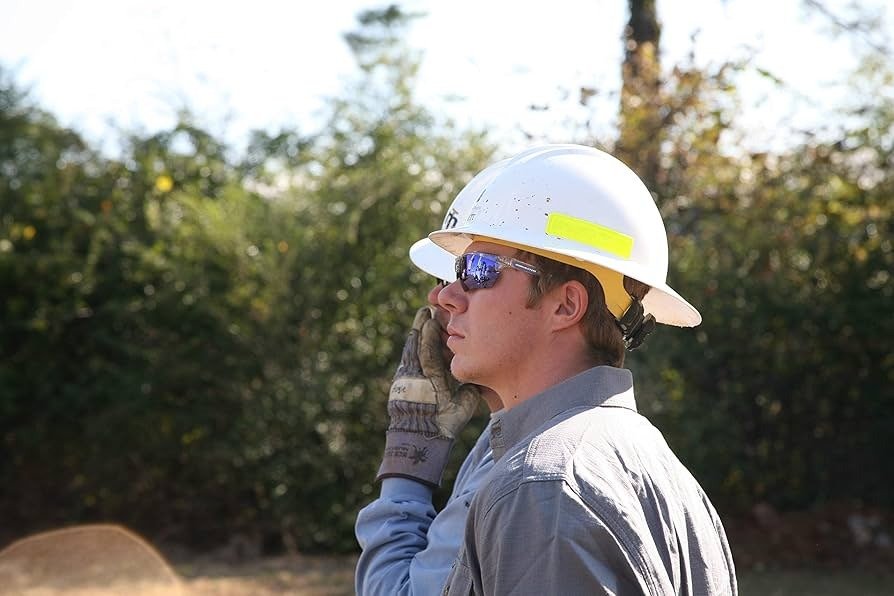
Every shift brings different eye hazards. A worker’s eye could be struck by a tiny flying metal splinter in a matter of seconds. A person’s vision is at serious risk if they are not wearing the proper protective gear. Eye safety is viewed by many businesses as a simple compliance requirement. They purchase inexpensive, over-the-counter safety eyewear in large quantities. They place them in a trash can by the front door. Managers then just wish for the best.
Many employees are left exposed by this one-size-fits-all approach. More than half of your employees probably require corrective glasses on a daily basis. Employees who have trouble seeing make costly workplace mistakes. It is annoying to have heavy safety goggles stacked on top of personal reading glasses. This setup results in severe physical discomfort and persistent lens fogging.
An effective safety plan addresses these challenges. It combines sharp vision correction with certified impact protection. This guide summarizes how to build that effective safety program step by step.
Steps to Create a Successful Industrial Eye Safety Eyewear Program
Moving beyond bulk purchasing to a managed safety program will take clear practical steps. A successful program balances hazard prevention with user comfort. It also reduces administrative work for your busy safety managers. Here is how to construct your new corporate safety system.
Step 1: Conduct a Comprehensive Eye Hazard Assessment
An effective safety initiative begins with a thorough assessment of your workspace. General assessments often miss localized hazards. You must analyze the unique risks of every job role.
First, identify the physical threats. These include flying wood chips, concrete dust, and metal shavings. Next, identify chemical hazards such as liquid splashes or caustic fumes. Do not ignore light and radiation hazards. Welding areas and bright outdoor environments require specialized lens tints.
Now, map these hazards onto your facility floor plan. Create clear zones where eye protection is strictly mandatory. This visual layout helps employees understand the rules. It sets a firm foundation for daily safety compliance. It also helps you select the right gear.
A thorough hazard evaluation prevents overlooking routine activities. Many injuries happen during quick maintenance checks. Workers often remove their glasses for a brief second to see better. Those exact moments are when sudden accidents strike. Knowing these patterns helps you build a stronger safety program.
Regularly review this hazard map as your production processes change. New machinery can introduce different dust patterns or fluid spray angles. Keep your assessments active, current, and closely aligned with daily activities.
Step 2: Establish Rigid Eyewear Standards & Certifications
Once you understand your hazards, set strict equipment standards. Do not compromise in terms of durability of the material or official safety ratings.
Every pair of glasses should comply with the rigorous ANSI Z87.1 standard. This certification ensures high velocity impact protection. Look for the permanent markings on the frames. If the stamp is missing, the glasses are not safe.
You must select the correct lens materials for your teams:
| Lens Material | Key Advantage | Best Workspace |
| Polycarbonate | Extreme impact resistance | Machining, construction |
| Trivex | Superior optical clarity | Chemical processing, labs |
| High-Index Plastic | Thin corrective lenses | Heavy equipment operations |
Avoid relying on heavy, non-prescription over-the-glasses frames. They slip off easily and distort peripheral vision. Dedicated prescription safety glasses are always the superior choice. They provide clear vision and reliable protection at once.
Good quality certified lenses save lives. It also protects your company from expensive regulatory fines. High standards protect both your employees and your business. Do not let insufficient gear compromise your safety efforts. Frame styles should fit different face shapes to prevent side gaps.
See also: How to Build a Scalable Business Model
Step 3: Implement a Simple Purchasing & Management System
Even the best safety glasses fail if your ordering process is broken. Complex ordering processes frustrate your staff. They also overwhelm busy safety administrators.
Traditional paper voucher systems are slow. They are also prone to human errors and lost receipts. Transitioning to a digital ordering portal streamlines the entire workflow.
This is where a modern industrial eyes safety eyewear program excels. An automated online platform offers distinct benefits:
- Automated Rosters: Sync employee lists to verify active eligibility instantly.
- Centralized Dashboard: Track every order and monitor compliance on one screen.
- Custom Micro-Portal: Configure frame options based on your company rules.
Providing stylish frame choices also makes a massive difference. If employees feel good in their glasses, they wear them. Compliance becomes an easy routine rather than a duty.
This modern approach saves your HR department a lot of work. It also ensures that every worker gets their protective gear quickly. Secure, cloud-based systems protect sensitive health records. They eliminate paperwork burden and accelerate delivery times.
Step 4: Build a Culture of Compliance & Maintenance
Great hardware only works when your team follows daily safety practices. Building a safety-first culture requires constant, clear communication.
You must move past annual classroom-style training. Instead, use brief safety standups to share real-world experiences. Use visual examples to demonstrate the importance of eye safety.
Train staff on the proper care of protective equipment. Protect expensive lenses from dust and grit. Workers should clean glasses only with approved cleaning sprays. They must use soft microfiber cloths that are soft.
Wear protective cases for your glasses to prevent unintentional harm. Before a shift is arranged, daily inspections are used to find cracked frames. Replace damaged gear immediately to maintain constant protection.
Another great safety tool is team accountability. Remind workers to wear their glasses. If the entire team is involved, then safety is part of everyday work. Good habits are reinforced with positive reinforcement.
Conclusion
Eye protection in the workplace is a preventative approach. It is not just a basic compliance checklist. Bulk-buying cheap safety glasses leaves your team exposed to injury. It also leads to visual fatigue and lowered production rates.
A successful program changes your entire workplace safety culture. It protects your valuable employees from physical harm. It also saves administrative time and improves productivity.
Clear vision prevents costly errors and reduces expensive injury claims. Upgrade your safety process to give your team the comfortable, custom protection they deserve.
