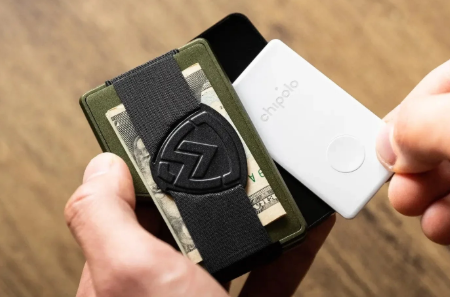
Although contactless payment cards have increased the speed of transactions, they also depend on radio-frequency technology for communicating with the readers. This has caused many people to worry about possible unauthorized scans when using their cards in public places.
With an RFID-blocking wallet, people will be able to create an extra barrier for their payment cards while being close to any RFID reader without affecting the performance of the cards in any way.
The idea behind an rfid minimalist wallet is very clear – it consists of a combination of a small card holder and an RFID signal blocker.
What Is Electronic Pickpocketing?
Electronic pickpocketing means reading information from contactless cards using RFID readers. Different from conventional theft, electronic pickpocketing does not necessarily require physical removal of wallets from pockets.
The RFID reader transmits a signal to a nearby card; if the card is in range, then the chip in the card responds. Information that can be obtained from the card will depend on various factors such as the type of card, payment systems used, readers, and the level of security.
How RFID Blocking Works
Blocking wallets work by interfering with the signal transmission process through the use of conductive materials. In cases where a suitable card is placed inside the wallet, the material will block the transmission of the signal to the card.
| Wallet Feature | Purpose |
| RFID-blocking layer | Helps reduce unwanted RFID communication |
| Compact card slots | Keeps cards organized in a smaller space |
| Durable outer material | Protects cards from everyday wear |
| Secure card storage | Helps prevent cards from slipping out |
Why Minimalist Wallets Are Useful
Conventional wallets tend to bulge when overloaded with various cards, receipts, and currency. A minimalist wallet is all about having just enough cards but without making the wallet itself bulky.
This type of wallet is more convenient for those whose main purpose is to carry payment and identification cards. The RFID-blocking option will offer additional protection that doesn’t involve putting a separate sleeve on each card.
What Cards Can Be Protected?
There are several types of cards that can be protected by RFID-blocking wallets. Such cards usually use some RFID technology. This type of card can include payment, access, identification, and transit cards.
However, it’s important to mention that not all cards work via RFID technology. Different cards may have different frequencies or other security measures, which means an RFID-blocking wallet won’t protect all kinds of electronic cards.
Does RFID Blocking Stop All Card Theft?
No. RFID shielding protects against a certain kind of threat – wireless communication of the card by an outside device.
This does not guard against physical theft of the card, fraud on accounts online, theft of credit/debit card information in case of a merchant data breach, phishing, or any other kind of fraud.
Good practices to follow include:
- Checking the bank or credit/debit card statements.
- Using transaction alerts if possible.
- Taking care of the payment cards when not in use.
- Reporting any unusual transactions promptly.
- Not giving out card details via unknown websites or emails.
Choosing an RFID Wallet
The construction of the wallet is just as important as its appearance. There needs to be enough information provided on the materials used in blocking RFID and the particular frequencies and types of cards that it will block.
There needs to be good storage and protection for the cards, easy access to the cards, and durability of the materials used. It is beneficial to have a slim design, but not to the point that the cards are hard to get out and can fall out.
A rfid minimalist wallet is perfect for people who need compact storage of cards and do not wish to be scanned through RFID. By selecting a wallet that has integrated RFID-blocking materials, protection from this theft can be achieved.
See also: How to Build a Scalable Business Model
Conclusion
E-Purse theft takes advantage of the wireless technology found in certain contactless cards. The way RFID-blocking wallets operate is through their ability to block radio waves. This does not mean that the wallets are capable of blocking every type of credit card fraud; however, they do add another level of protection for those cards that need to be kept conveniently. Having both these features can help minimize security threats.
