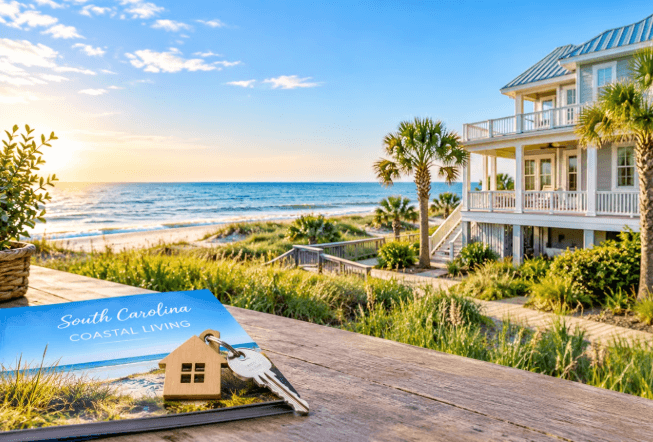
If you’re lucky enough to live near the coast, you get to experience a special lifestyle. The ocean is not just the beach; there are other activities to enjoy, like outdoor games, great restaurants right by the water, and a quiet environment. Choosing a coastal community is not simply a question of selecting a beautiful house. You have to consider the price of houses in the area, recreational opportunities, public amenities in the vicinity, safety levels, and some facts about people living there. The nature of the surroundings and all these factors may influence your life quality and your expenses.
Those who are planning to relocate to Myrtle Beach are advised to pursue their inquiry into some neighborhoods of the area. A homeguidemyrtlebeach.com/blog/best-neighborhoods-myrtle-beach encloses some useful information about various neighborhoods allowing one to compare them for one’s needs.
1. Establish a Realistic Housing Budget
Before you evaluate seaside living areas, it is essential to figure out your budget for housing. The price of real estate can vary significantly depending on its proximity to the ocean, the house size, the availability of amenities in the neighborhood, and the demand for housing among people.
The cost of renting or purchasing a house is just one of many financial considerations on the list. You should consider additional expenses like property taxes, homeowners insurance, upkeep costs, and housing association fees as well. In case you buy a property at the beach, you may need additional insurance, as coastal areas may be prone to floods and storms.
Budgeting well helps you choose the best property and avoid stress related to finances.
2. Consider Your Daily Lifestyle
Every area gives you a different way to live. Some places by the beach feel busy. There are many places to eat, shop, and have fun. It is also easy to get to the beach from here. Other areas are quiet and feel more like a home. These places have less traffic and give you and your family more privacy.
Think about how the location will help with daily needs. Families may want to live close to schools, parks, and places where they can get medical help. People who work may look for shorter trips to their jobs. People who are retired might want quiet streets and things to do nearby.
Choosing a place that fits your daily routines can make living by the coast feel better.
3. Evaluate Access to Beaches and Local Amenities
Living close to the ocean does not always mean you are near everything you need each day. Some areas are close to food stores, doctor’s offices, places to eat, and shops. Other places might mean you have to drive farther to get what you need.
Think about how often you want to go to the beach. Also, ask if it is important to be able to walk there. Homes that are close to big places by the water can be easy to get to. But they can also cost more, and there may be more cars and people during the busy season.
A neighborhood that lets you get to key services easily can help you find a better mix of location and price.
4. Research Safety and Community Environment
Feeling good in a neighborhood is a big thing when you pick a home. Take time to look up crime reports in the area. Check if the streets have enough lights, if the roads are in good shape, and what kind of places or things the people in the area can use before you choose where to live.
Going to the area at different times of the day helps you see how much traffic there is. You can also notice the noise and what people do in the neighborhood. When you talk to people who live there, you may find out more about local events. You can also learn about things like services nearby and what daily life is like.
These ideas can help you see if the area is what you want. The area should feel right for you and what you hope to find.
5. Understand Seasonal Changes and Weather Risks
Coastal communities see more or fewer people at different times of the year. A lot more people come when travel is busy. This can make parking hard, cause more traffic, and make it hard to get to local businesses.
Weather conditions matter a lot. Homes near the coast can get hit by hurricanes. They may also have to deal with flooding. Salt in the air can wear down buildings and cars, too.
Look at flood zone information, insurance needs, and local emergency plans. Knowing about these things can help people think about the costs of owning a home. It will also help them make good choices.
See also: Temporary Job Staffing Agency: When Businesses Need One
6. Compare Long-Term Value
It is important that both the location of the house and the seaside property fulfill your current needs and continue to work for you for many years to come. Make sure to find out how you are going to take care of your house. Investigate if there is any building happening near the house. Take a look at the routes and services in the area as well. What matters is that the property is close to all essential services.
Comparing several communities will allow you to see the difference in prices as well as the quality of life there. The homeguidemyrtlebeach.com/blog/best-neighborhoods-myrtle-beach will help with this issue. It allows you to understand what the areas look like so that future residents can proceed to the decision-making process more quickly.
Choosing the right coastal neighborhood is about finding what you like, while knowing how much you can spend. You have to think about how much homes cost, if the beach is easy to get to, how the people feel in the area, what stores or places are near, and if there are weather risks. All of this can change your time living there. You should look over each place and read up on what life is like there so you can pick a good place by the ocean that feels right, works for your budget, and will still feel good for you in the years ahead.
