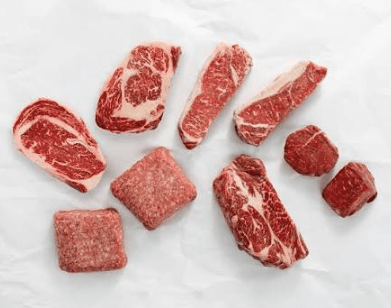
Buying meat for a household involves balancing quality, convenience, cooking preferences, and budget. Beef can be used in many meals, but different cuts suit different recipes, and purchasing the wrong type can create unnecessary preparation work. A thoughtful approach helps families select ingredients they can store safely and use efficiently.
The best shopping decision is not always the one with the lowest price per package. Buyers should also consider usable quantity, cooking yield, packaging, storage requirements, and whether the product fits their meal plans.
Understand Your Household’s Cooking Habits
Before shopping, review the dishes the household prepares most often. Some families prefer quick stir-fries and noodle dishes, while others regularly make curries, stews, grilled meals, or oven-cooked recipes.
This information helps determine which cuts are most useful. A household that frequently prepares slow-cooked dishes may benefit from suitable stewing cuts, whereas one that prefers quick meals may need thinner slices or cuts suited to shorter cooking times.
Estimate weekly quantities
The amount of beef required depends on the number of people being served, portion sizes, and how often meat appears in the menu.
Write down the planned meals and estimate the quantity needed for each. Then check the refrigerator and freezer before purchasing more.
This simple process can prevent duplicate purchases and make it easier to maintain a realistic food budget.
Consider preparation time
A cut that requires long cooking may not suit a busy weekday unless the meal can be prepared in advance. Conversely, quick-cooking cuts may be more convenient when time is limited.
Planning recipes around the available schedule can reduce reliance on takeout meals and help households make better use of ingredients already purchased.
Learn How Different Cuts Behave
Beef contains a variety of cuts with different textures and cooking requirements. Understanding these differences helps buyers select products more confidently.
Cuts for quick meals
Suitable tender cuts can be used for grilling, pan-searing, and stir-frying. Thinly sliced beef is convenient for noodle dishes, rice bowls, wraps, and meals prepared in a hot pan.
Uniform slicing supports even cooking. Preparing sauces and vegetables in advance can also help prevent overcooking when the recipe requires only a short time on the heat.
Cuts for slow cooking
Stews, braises, and some curries benefit from cuts that need longer cooking to become tender. Gentle heat and sufficient time allow connective tissue to soften.
These recipes can be practical for weekend meals or batch cooking. The finished dish can provide several portions, provided leftovers are cooled and stored safely.
Cuts for special occasions
Grilled or pan-seared beef can be suitable for celebrations and family gatherings. The selected cut should match the cooking method and the cook’s experience.
Check the thickness of the meat and follow a reliable recipe. Use a food thermometer to verify the appropriate internal temperature instead of depending entirely on appearance.
Compare Product Value, Not Just Price
Price matters, but the amount of usable meat and the preparation required also influence value.
Packaging size can affect how convenient a product is for a small household. A large package may offer a favorable unit price but be difficult to use if the family has limited freezer space or rarely prepares beef.
Look for clear product descriptions and relevant storage information. Where available, consider the cut, pack size, and intended use.
If a product is unfamiliar, trying a manageable quantity before making a larger purchase can help determine whether it suits the household’s recipes.
Using Frozen Beef Conveniently
Frozen beef can help households keep ingredients available for future meals. When maintained at an appropriate temperature, freezing slows microbial growth and preserves the product until it is needed.
For long-term frozen storage, a temperature of 0°F (-18°C) or below is generally recommended. Packaging and stable temperatures are important for maintaining quality.
Create meal-sized portions
Dividing beef into portions before freezing can make daily cooking easier. Each package can be labeled with the cut, quantity, and relevant date.
Smaller portions are often easier to thaw and reduce the need to defrost more meat than required. Use freezer-safe packaging and limit unnecessary air exposure to help reduce freezer burn.
Plan ahead for thawing
Refrigerator thawing is generally the preferred method because it keeps meat at a controlled, cold temperature. Place the package in a tray or container to contain juices.
If a quicker method is necessary, cold-water or microwave thawing may be used according to recognized food safety guidance. Meat thawed through these methods should be cooked promptly where required.
Never thaw beef on a countertop at room temperature.
See also: How security scanning tech is enhancing public safety everyday
Keep an updated freezer list
A simple list can record what is stored and the quantity available. Check it before shopping and update it after using a package.
This practice is particularly helpful when several cuts are stored together. It also helps households plan recipes around ingredients they already have.
Safe Preparation at Home
Raw beef should be handled separately from foods that will be eaten without further cooking. Wash hands, utensils, cutting boards, and preparation surfaces after handling raw meat.
Store raw products in secure packaging and prevent juices from contacting other ingredients. Refrigerator thawing should take place in a container that catches any liquid.
Cooking requirements depend on the type of beef and preparation. Use reliable food safety guidance to determine the appropriate internal temperature for whole cuts and ground beef, which have different recommendations.
Refrigerate leftovers promptly and reheat them thoroughly. If a product’s storage history is uncertain, do not rely on smell or color alone to determine whether it is safe.
Finding Products That Suit Your Needs
Households comparing frozen beef hong kong can review the available selection and consider which products fit their cooking preferences, portion requirements, and freezer capacity.
Before placing an order, check product descriptions, pack sizes, storage instructions, and delivery information. A good purchase should fit both the menu and the household’s ability to store the meat safely.
Frequently Asked Questions
1. Which beef cut should beginners choose?
The best cut depends on the recipe. Suitable tender cuts can work well for quick cooking, while cuts intended for stewing are more appropriate for longer, slower preparation. Start with a clear recipe and follow its recommended method.
2. How can a household make a meat budget go further?
Plan meals in advance, purchase suitable quantities, use consistent portions, and combine beef with vegetables, grains, or beans. Comparing usable value rather than package price alone can also improve purchasing decisions.
3. Is frozen beef convenient for small households?
It can be, especially when divided into smaller meal-sized portions. Clear labels and an inventory list help prevent waste and make it easier to use the right amount.
Conclusion
Household meat shopping becomes easier when buyers understand their cooking habits, select cuts for specific recipes, and estimate realistic quantities. Considering pack sizes, usable value, storage requirements, and preparation time helps families make more informed decisions.
Frozen beef can offer flexibility when kept at a suitable temperature and handled safely. With sensible meal planning, clear freezer labels, and proper thawing practices, households can reduce waste while keeping versatile ingredients available for everyday cooking.
