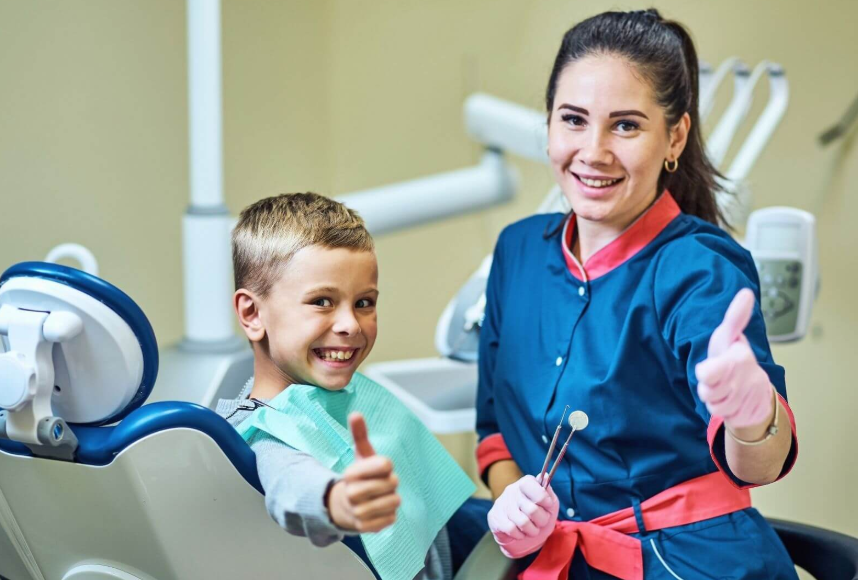
Many parents and children hold misconceptions about dental care that can make visits to the kids dentist seem more intimidating than they really are. These myths often lead to unnecessary anxiety, delayed appointments, and misunderstandings about what dental care really involves. In this article, we dispel five common myths and provide clear, helpful information so families can make informed decisions about their children’s oral health.
Myth 1: “Baby Teeth Don’t Matter Because They Fall Out Anyway”
A surprisingly common misconception is that baby (primary) teeth aren’t important because they will eventually be replaced. Baby teeth play critical roles in a child’s development. They help with proper chewing and nutrition, support clear speech, and hold space for permanent teeth.
If baby teeth decay or are lost prematurely, it can lead to misalignment, speech issues, and discomfort. A trusted pediatric practice, such as kidscitydental.com/ focuses on protecting these early teeth, teaching parents about the importance of early preventive care, and ensuring children develop healthy smiles from the start.
Myth 2: “Kids Dentist Visits Are Just Like Adult Dental Visits”
While the core goal of dental care is the same for children and adultsmaintaining healthy teeth and gumsthe approach is very different. A kids dentist is specially trained in child psychology, behavior guidance, and age-appropriate techniques. They know how to talk to children in ways that reduce fear, how to make treatments engaged, and how to manage the varying developmental stages from toddlers to teens.
See also: The health impacts of long term exposure to pfas
Myth 3: “Dental X-Rays Are Unsafe for Children”
Many parents worry that dental X-rays expose their children to harmful radiation. However, modern dental X-rays use extremely low doses and are considered safe for children when performed appropriately. A kids dentist evaluates the necessity of X-rays on a case-by-case basis, considering age, dental history, and risk factors.
X-rays are an important diagnostic tool that can reveal issues like cavities between teeth or problems below the gum line that a visual exam can’t detect. Advances in digital radiography have made these images clearer while further reducing radiation exposure. Parents should always feel comfortable asking the dentist why an X-ray is recommended and how it will support their child’s care.
Myth 4: “Sugar-Free Snacks Eliminate Cavity Risk Completely”
It’s a step in the right direction to choose sugar-free snacks, but this doesn’t eliminate the risk of tooth decay entirely. Cavities develop when bacteria in the mouth feed on sugars and starches, producing acids that erode enamel. While sugar-free options can reduce one source of fuel for bacteria, other factors matter too—like how frequently a child snacks, oral hygiene habits, and individual susceptibility.
A kids dentist can offer practical advice on timing snacks, choosing tooth-friendly foods, and implementing effective brushing and flossing routines. Combining good daily habits with regular dental checkups is the most reliable way to prevent cavities.
Myth 5: “Teething Causes Serious Illness”
Teething can be uncomfortable for infants and may result in drooling, irritability, and a desire to chew on objects. However, teething itself does not cause serious symptoms such as high fever, vomiting, or diarrhea. If a child experiences these, it’s important to consult a pediatrician, as they may be signs of an underlying illness, not teething.
Parents should also know that the first dental visit is recommended by the age of one or within six months of the first tooth appearing. Early visits help catch oral concerns early and provide guidance on teething discomfort and overall dental development.
Resources like kidscitydental.com often include helpful parent guides on what to expect during teething and the transition to solid foods, further supporting parents through this important stage.
